
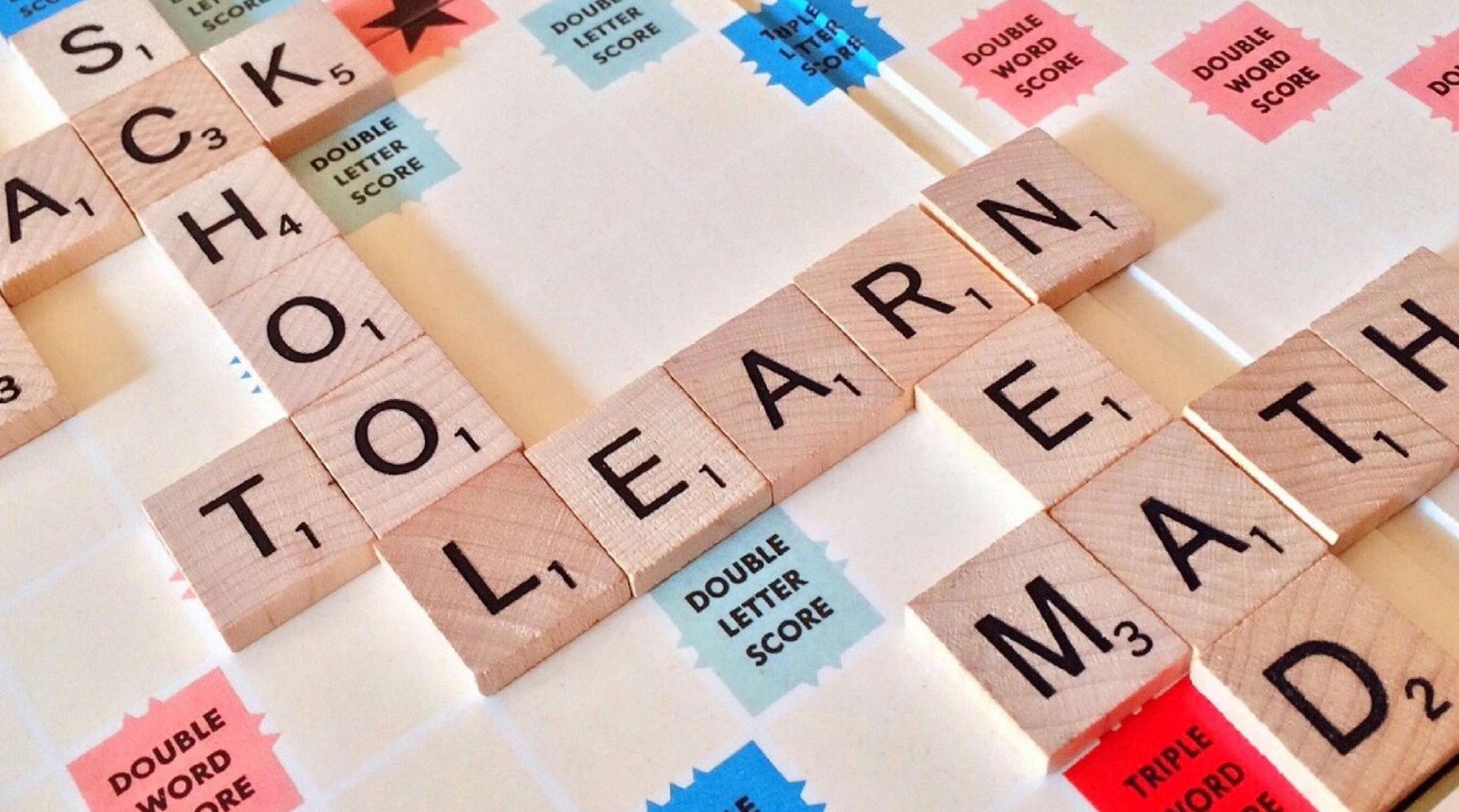
Creating your own language learning game can be an engaging and effective way to enhance your vocabulary and comprehension skills while making the learning process fun. Whether you are keen to learn English in Qatar, learn French in Qatar, learn German in Qatar, or learn Arabic in Qatar, personalized games can cater specifically to your learning needs. Here’s how to design your own language learning game!
Before diving into game creation, outline what you want to achieve. Are you focusing on vocabulary, grammar, speaking skills, or cultural knowledge? Defining these objectives will shape your game’s structure and content.
Deciding on the format of your game is crucial. Here are a few popular types to consider:
Once you have your format, start creating the content. Ensure the questions or tasks connect to your language learning objectives. Here are some ideas:
Once your game is ready, test it with friends or classmates who are also pursuing language skills. Gather feedback on the game’s difficulty, clarity, and engagement level. Make adjustments as needed to ensure it meets the learning objectives effectively.
After playtesting, take note of any areas that need improvement. Language learning is an ongoing process, and your game can evolve as you do. Consider adding new words or categories regularly to keep the game fresh and challenging.

How to Create Your Own Language Learning Game
Creating your own language learning game is a rewarding way to enhance your motivation and language skills. Whether you wish to learn English in Qatar, learn French in Qatar, learn German in Qatar, or learn Arabic in Qatar, a personalized game can adapt to your unique learning style and objectives.
At Lingua Learn, we offer a variety of resources and language courses that can complement your learning experience. Join our community to explore structured learning while having fun! Start your journey today and experience the joy of making language learning an enjoyable adventure.
 English
  Arabic